
Living with braces can feel like a big adjustment, especially when it comes to mealtime. Suddenly, your favorite crunchy snacks are off-limits, and you’re left wondering, “What can I eat with braces?” At Jacob Jarvis Orthodontics, we understand the challenges of orthodontic treatment. This blog will help you navigate braces-friendly foods with ease. Whether you’re a teen starting your journey or an adult fine-tuning your smile, choosing the right foods to eat with braces not only protects your hardware but also supports your overall oral health.
Lets explore the benefits of a braces diet, list out soft foods for braces by category, highlight what to avoid, and share practical braces diet tips to make meal planning simpler. By the end, you’ll have all the tools to enjoy meals with braces without compromising your progress.
Why Choosing Braces-Friendly Foods Matters
Braces work by gently shifting your teeth into alignment, but they’re delicate. Hard, sticky, or chewy items can bend wires, loosen brackets, or even cause emergencies that delay treatment. Opting for braces-friendly foods minimizes these risks, reduces discomfort, and helps maintain good hygiene, key to preventing issues like cavities or gum irritation.
From an orthodontic perspective, soft foods for braces are ideal because they require less chewing force, easing soreness especially in the first few weeks. They also make it easier to clean around your braces, lowering the chance of plaque buildup. According to general orthodontic guidelines, incorporating nutrient-rich options supports enamel strength and overall wellness during treatment. Think of it as fueling your body while safeguarding your investment in a straighter smile.
Top Categories of Foods to Eat with Braces
When brainstorming what to eat with braces, focus on soft, easy-to-chew items that won’t snag or damage your orthodontics. Here’s a breakdown by category, with examples of braces-friendly foods to stock your kitchen with:
Soft Fruits and Vegetables
Fruits and veggies are packed with vitamins, but not all are safe for braces. Stick to softer varieties or prepare them gently.
- Bananas: Naturally soft and potassium-rich, perfect for quick snacks for braces wearers.
- Berries (like strawberries or blueberries): Mash them if needed to avoid seeds getting stuck.
- Cooked vegetables: Steamed carrots, broccoli, or spinach become tender and nutritious without the crunch.
- Avocados: Creamy and versatile for guacamole or smoothies.
Pro tip: Avoid raw apples or carrots; instead, slice them thinly or puree for smoothies.
Dairy and Dairy Alternatives
Dairy products are excellent for calcium, which strengthens teeth. They’re also inherently soft, making them top foods safe for braces.
- Yogurt: Plain or Greek varieties, flavored without chunks—great for breakfast or desserts.
- Soft cheeses: Cottage cheese, ricotta, or mozzarella for easy chewing.
- Milk or plant-based alternatives: Use in smoothies or puddings.
- Ice cream (without nuts or hard mix-ins): A soothing treat for sore mouths.
These options help with braces diet tips like incorporating protein without toughness.
Proteins That Are Easy on Braces
Protein is essential for healing and energy, but choose tender sources to avoid straining your braces.
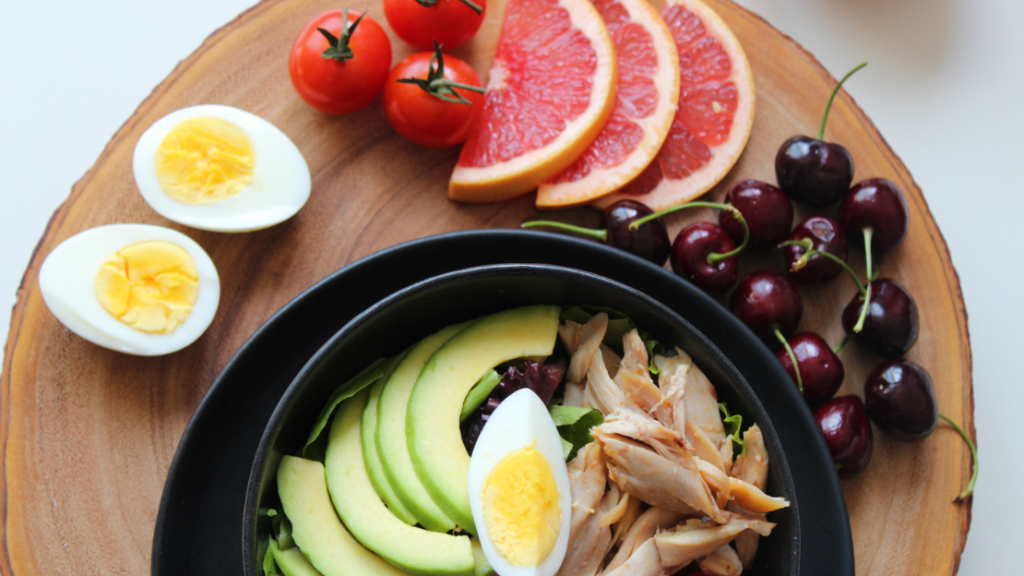
- Eggs: Scrambled, boiled, or in omelets—versatile and soft.
- Fish: Baked salmon or tuna, flaked for salads.
- Ground meats: Turkey or beef in soft tacos or meatballs (cooked until tender).
- Beans and lentils: Mashed or in soups for plant-based protein.
- Tofu or tempeh: Soft and adaptable in stir-fries with veggies.
Grains and Starches
Carbs provide energy, and softer grains fit perfectly into meals with braces.
- Pasta: Cooked al dente but not too firm—pair with soft sauces.
- Rice: Steamed or in risottos.
- Bread: Soft varieties without crusts, like white bread or tortillas.
- Oatmeal or porridge: Warm and comforting, especially with fruits.
Snacks for Braces Wearers
Craving something between meals? These braces-friendly snacks satisfy without risk.
- Applesauce: Unsweetened for a healthy twist.
- Pudding or Jell-O: Fun and easy to eat.
- Smoothies: Blend fruits, yogurt, and milk.
- Cheese sticks: Soft and portable.
- Mashed potatoes: Seasoned for flavor.
By focusing on these categories, you’ll find plenty of variety in what to eat with braces, keeping your diet balanced and enjoyable.
Foods to Avoid with Braces: A Quick List
To keep your treatment on track, steer clear of these common culprits that can damage braces:
- Hard foods: Nuts, popcorn, ice, or hard candies— they can break brackets.
- Sticky items: Caramel, gum, or taffy— they cling to wires.
- Chewy treats: Bagels, licorice, or tough meats— require too much force.
- Crunchy veggies/fruits: Raw carrots or apples (unless modified).
- Sugary drinks: Soda or sports drinks— promote decay around braces.
If something does cause an issue, contact your orthodontist promptly. Prevention through smart choices is always best.
Braces Diet Tips for Everyday Success
Beyond lists, here are practical braces diet tips to integrate into your routine:
- Meal Prep Ahead: Plan weekly menus around soft foods for braces to avoid last-minute temptations.
- Handle Discomfort: In the early days, stick to cooler, softer options like smoothies to soothe soreness.
- Oral Hygiene Boost: Rinse after eating, floss with tools like water flossers, and brush gently to keep braces clean.
- Portion Control: Smaller bites reduce pressure on braces.
- Seasonal Twists: In summer, opt for chilled fruits; in winter, warm soups.
- Kid-Friendly Adaptations: For younger patients, make meals fun with colorful presentations or themed recipes.
These strategies ensure your braces journey is smooth and stress-free.
Maintaining Oral Health While Enjoying Your Meals
Pairing braces-friendly foods with good habits amplifies benefits and ensures your orthodontic treatment progresses without complications. At Jacob Jarvis Orthodontics, we emphasize that oral health is just as important as dietary choices during this time. Braces create more nooks and crannies where food particles can hide, increasing the risk of plaque buildup, tooth decay, and gum disease. By adopting a proactive approach, you can enjoy your meals with braces while keeping your teeth and gums in top shape.
Preparation and Eating Habits
Start with the basics to make every meal safer and more enjoyable:
- Cut food into small pieces: Always chop foods to eat with braces into manageable sizes before eating. This reduces strain on your braces and encourages slower, more deliberate chewing.
- Avoid direct biting: Even with soft items like sandwiches, use utensils to portion them out instead of biting directly. This prevents food from lodging in hard-to-reach areas.
- Chew slowly: Taking your time allows you to savor flavors while letting saliva naturally rinse away debris, serving as your mouth’s first line of defense against buildup.
Staying Hydrated
Hydration is key to supporting oral health during orthodontic treatment:
- Drink plenty of water: Aim for at least eight glasses daily, especially after meals, to dislodge particles and neutralize acids that can erode enamel.
- Swish for a quick cleanse: After snacks, swish water around your mouth to remove loose debris.
- Address dry mouth: If dry mouth occurs (common with braces), use sugar-free lozenges or orthodontist-approved gum to stimulate saliva flow without risks.
Brushing and Flossing Techniques
Adapt your routine to effectively clean around braces:
- Brushing essentials: Use a soft-bristled toothbrush and fluoride toothpaste. Brush at a 45-degree angle to the gum line with gentle circular motions, focusing on areas above and below brackets and between wires.
- Frequency and tools: Brush after every meal and snack to remove residue promptly. Consider an electric toothbrush for consistent pressure without over-scrubbing.
- Flossing adaptations: Traditional string floss can be challenging, so opt for floss threaders, interdental brushes, or a water flosser. These tools clean between teeth and under wires, reducing inflammation and preventing white spots from demineralization.
Using Orthodontic Accessories
Enhance comfort and protection with these helpful items:
- Orthodontic wax: Apply it as a barrier if wires or brackets irritate your cheeks or lips, allowing comfortable eating.
- Antimicrobial mouthwash: Rinse daily with alcohol-free options to kill bacteria and freshen breath without drying your mouth.
- Fluoride treatments: Incorporate orthodontist-recommended rinses or gels to strengthen enamel against acids from food and bacteria.
Regular Check-Ups and Monitoring
Stay on top of your progress with professional oversight:
- Schedule appointments: Visit every 4-8 weeks for adjustments, early issue detection, and personalized advice.
- Watch for warning signs: If you experience persistent soreness, loose brackets, bleeding gums, or unusual odors, contact your orthodontist immediately to prevent setbacks through early intervention.
Managing Discomfort and Nutrition
Handle challenges while maintaining a balanced diet:
- For post-adjustment discomfort: Stick to ultra-soft foods to eat with braces, such as soups, smoothies, or yogurt, which ease pain and require less cleaning.
- Nutritional focus: Choose braces-friendly foods rich in vitamins C and D (from fruits and dairy) to support gum health and bone strength around your teeth.
Age-Specific Advice
Tailor routines to different life stages:
- For parents of young wearers: Supervise daily habits to ensure consistency, making oral care fun with timers or rewards to build good family routines.
- For adults: Use apps to track progress, set reminders for brushing, or log meals, turning maintenance into an efficient part of your lifestyle.
Maintaining oral health isn’t just about avoiding problems, it’s about enhancing the results of your treatment for a healthier, brighter smile long-term. By weaving these practices into your daily life, you’ll find that enjoying snacks for braces wearers and meals with braces becomes second nature, all while prioritizing the hygiene that leads to optimal outcomes.
Beyond the Braces Diet: Personalized Care with Jacob Jarvis Orthodontics
By embracing all kinds of braces-friendly foods through expanded categories, recipes, and tips, you can make your orthodontic experience both comfortable and flavorful. This comprehensive approach ensures sustained nutrition and enjoyment.
At Jacob Jarvis Orthodontics, we offer comprehensive services including traditional braces, Invisalign clear aligners, and personalized treatment plans to achieve your perfect smile. Our team of experienced orthodontist specializes in creating comfortable, effective solutions tailored to your needs. Schedule an appointment today to discuss your options and get expert guidance on maintaining your diet during treatment. Your journey to a healthier smile starts here!
FAQs about Braces-Friendly Foods
What are the best soft foods for braces in the first week?
In the initial days when soreness is highest, opt for ultra-soft options like yogurt, smoothies, mashed potatoes, and scrambled eggs. These foods to eat with braces minimize chewing and provide comfort while your mouth adjusts.
Can I eat popcorn with braces?
No, popcorn is not among braces-friendly foods, its hulls can get stuck, and kernels may break brackets. Stick to softer snacks for braces wearers like pudding or cheese.
What fruits are safe as braces friendly foods?
Soft fruits like bananas, berries (mashed), and avocados are ideal. Avoid hard ones like apples unless sliced thinly or pureed into smoothies.
Are there easy recipes for braces that kids will love?
Yes! Try berry yogurt parfaits or banana oat smoothies, these braces friendly recipes are fun, colorful, and nutritious, making them perfect for younger patients.
How do I avoid damaging my braces with meals?
Follow braces diet tips like cutting food small, avoiding sticky or hard items, and rinsing after eating. If unsure about what to eat with braces, consult your orthodontist.
What snacks for braces wearers are good on the go?
Portable options include applesauce pouches, soft cheese sticks, or yogurt cups. These foods safe for braces are convenient and low-risk.
Can I drink coffee or tea with braces?
Yes, but in moderation, avoid sugary additives to prevent staining. Opt for room-temperature drinks to ease sensitivity.
How often should I brush after eating braces friendly foods?
Brush after every meal to remove particles. Use a soft-bristle brush and floss daily for optimal hygiene during treatment.